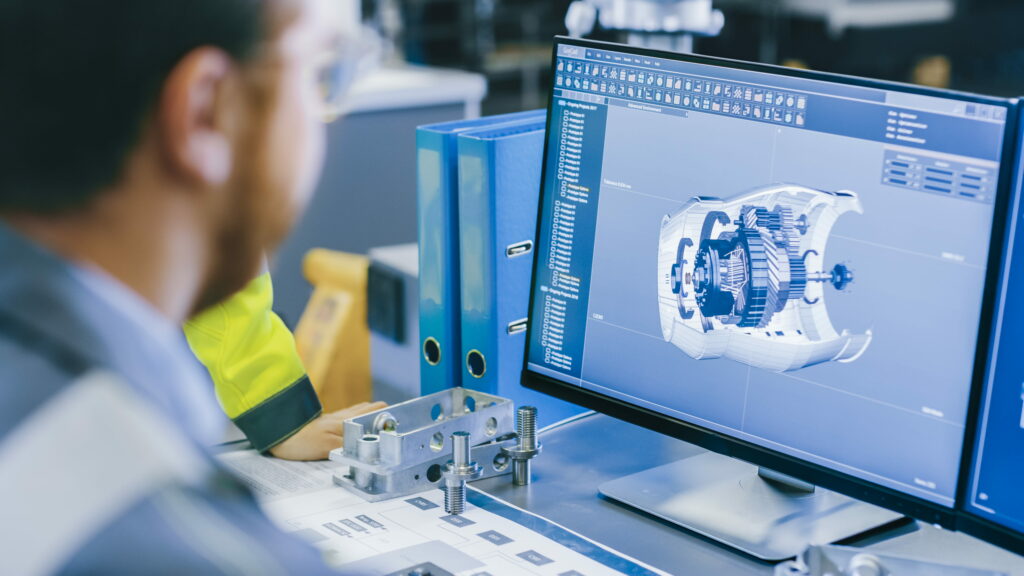



Revision errors represent one of the main causes of inefficiency, additional costs, and operational problems in manufacturing companies. A PLM (Product Lifecycle Management) system allows companies to address this critical issue through structured and centralized management of product data.
Without a PLM system, the most common risks are:
- The presence of multiple versions of the same document.
- The use of outdated technical drawings.
- Errors in Bills of Materials (BOMs).
- Difficulty understanding which revision is the approved one.
- Poor communication between engineering, production, and quality departments.
- An increase in scrap, rework, and delivery delays.
- Time wasted searching for the correct information.
How PLM intervenes
The PLM introduces a single, controlled environment for managing product information, ensuring that all users always work with the correct, up-to-date data.
Key features include:
- Centralized revision management
- A single, official source of truth for information.
- Elimination of duplicate or uncontrolled versions.
- Immediate access to the latest approved revision.
- Complete change traceability
- Automatic logging of every single variation.
- Revision history always available.
- Identification of who made the change and when.
- Structured approval workflows
- Control and validation of changes before release.
- Automatic involvement of the responsible stakeholders.
- Reduced risk of errors and unverified information.
- Cross-departmental collaboration
- Real-time sharing of updated data.
- Alignment between design, production, and quality departments.
- Elimination of ambiguity and divergent interpretations.
The concrete benefits of PLM
Thanks to controlled revision management, companies can achieve:
- Reduction in revision errors.
- Less reliance on obsolete documentation.
- Decrease in scrap and rework.
- Better quality of the final product.
- Higher operational efficiency.
- Faster change management.
- Full traceability for audits and compliance.
- Greater reliability of business processes.
Revision management is not just a paperwork issue, but a strategic factor for corporate competitiveness. With a PLM system, every change is controlled, tracked, and approved according to defined processes, drastically reducing the risk of errors and ensuring that the entire organization always works with correct and up-to-date information.