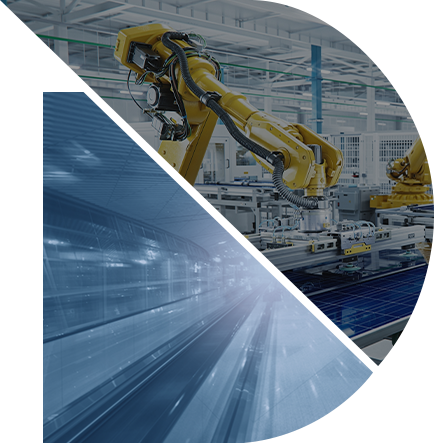
DOCUMENTA is a multi-functional software platform that inter-connects and integrates people, data, software, machinery, and equipment both inside and outside the company. It makes the management of the product lifecycle, from the Concept phase to the Service, more effective and streamlined.
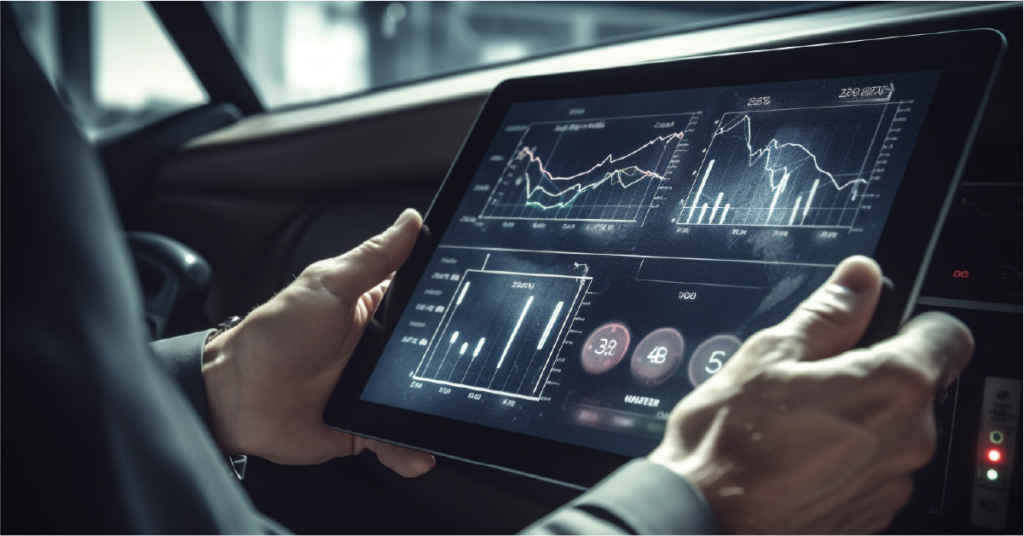
With Documenta, we make the information available in real time and enhance project collaboration through advanced interactive tools that guarantee a high level of security and operational efficiency.
Documenta is the tool that prepares the company for the new reality of Smart Manufacturing and Industry 4.0, where the availability of interactions with the actors of the new extended enterprise scenario is a priority. This includes direct interconnection with external design units, suppliers, and customers.
KEY BENEFITS
The benefits stemming from the correct introduction of a PDM/PLM system like Documenta within a manufacturing company context can be realized across all phases of the product lifecycle. These include: reduction of activity execution times, improvement of time-to-market, increased security and protection of company know-how, increase in project/order margin, elimination of data management errors, improved employee collaboration and the ability to measure business performance through BPM (Business Process Management) model analysis.
The goal of corporate investments is to achieve the highest economic return in the shortest time possible. The implementation of a PLM project is based on…
Read more…
The goal of corporate investments is to achieve the highest economic return in the shortest time possible. The implementation of a PLM project is based on defining clear objectives for greater operational efficiency.
A Documenta project allows for the integration of business applications and makes information available to users in departments involved in order management, optimizing processes and leading to a significant reduction in the time and costs associated with design, production, quality management, and after-sales.
In most cases, the overall Return on Investment for the Documenta system is achieved within a period of 8 to 12 months from the go-live.
THE DOCUMENTAPLM SRL OFFER
We offer companies a preliminary service for the analysis and calculation of Project’s ROI. Based on a simple spreadsheet, and focusing only on the aspect of time reduction, its purpose is to provide specific indications on the ROI related to the performance of certain activities within the "Technical Office" (Engineering Department) and other connected departments.
The goal is to verify in advance how quickly the resulting operational advantages at the corporate level, which translate into savings in execution times (work hours) for various activities, will cover the investment costs of the project.
BEFORE AND AFTER PDM/PLM INTRODUCTION
The calculation is performed by comparing the execution times of certain micro/mini work activities relating to the general processes of industrial order management between the two operational setups.
The spreadsheet considers various activities (which the user can integrate), each associated with an input for execution time (expressed in minutes), the number of daily repetitions, and the number of employees involved in the execution phases.
The tabular calculation subsequently multiplies the data by the number of annual working days.
This way, the total time dedicated to the single activity on an annual basis is obtained for both operational setups, with and without the PDM/PLM system.
Achieving the main business objectives is based on the complete integration of Business Process Management, company know-how, data, and documents. The order management times are normally dictated by the operational phases, which sequentially proceed from the pre-sales phase, through R&D, design, and industrialization, arriving at production, delivery, and post-sales support. Business results are measured by the ability to manage the process leading to the delivery of machinery or systems with speed, security, quality, efficiency, and margin.
HOW DOCUMENTA CAN IMPROVE TIME TO MARKET
Documenta is the ideal platform for managing all phases of the product lifecycle and achieving the best business results. The main improvement factors include:
reduction of design and industrialization times
immediate, secure, and profiled data availability
greater effectiveness in internal relations and collaboration between employed resources
greater effectiveness in external relations with customers and suppliers
COOs of many companies have indicated that the introduction of Documenta PLM has led to a reduction of up to 50% in order management times, significantly reducing "time-to-market" and increasing company profitability.